AC Safety Capacitors (UL/TUV Certified)
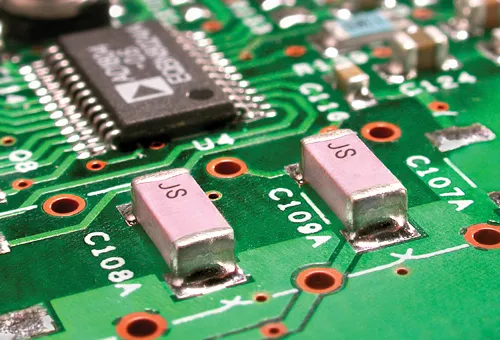
UL/TUV-Certified AC Safety Capacitors for Reliable Line-to-Ground Protection in Networked Electronics
Key Features:
- Designed for AC voltage surge and lightning protection
- Suitable for line-to-ground interface applications
- Available in four different case sizes
- Offered in NP0 and X7R dielectric materials
- Surface-mount ready with barrier terminations
- Supplied in tape-and-reel packaging for automated assembly
- Certified for safety ratings and regulatory compliance
Applications:
- Computer networks
- Modems
- Other electronic equipment requiring line-to-ground protection
| Safety Rating | Voltage Rating | Withstanding Voltage | Impulse Voltage | Case Size | Johanson Ordering P/N |
|---|---|---|---|---|---|
| X2 | 250 VAC | 1,500 VAC | 2,500 V | 1808 | 302R29______V3E-****-SC |
| STANDARDS: IEC/EN 60384-14:2013+A1:2016 • CERTIFICATIONS: TUV T 72609631 0001• UL File E472557 | |||||
| X2 | 250 VAC | 1,500 VAC | 2,500 V | 1812 | 302S43______V3E-****-SC |
| STANDARDS: IEC/EN 60384-14:2013+A1:2016 • CERTIFICATIONS: TUV T 72609631 0001• UL File E472557 | |||||
| X1/Y2 | 250 VAC | 1,500 VAC | 5,000 V | 1808 | 502R29______V3E-****-SC |
| STANDARDS: IEC/EN 60384-14:2013+A1:2016 • CERTIFICATIONS: TUV T 72609631 0001• UL File E472557 | |||||
| X1/Y2 | 250 VAC | 1,500 VAC | 5,000 V | 1812 | 502S43______V3E-****-SC |
| STANDARDS: IEC/EN 60384-14:2013+A1:2016 • CERTIFICATIONS: TUV T 72609631 0001• UL File E472557 | |||||
| X1/Y2 | 250 VAC | 1,500 VAC | 5,000 V | 2211 | 502R30______V3E-****-SC |
| STANDARDS: IEC/EN 60384-14:2013+A1:2016 • CERTIFICATIONS: TUV T 72609631 0001• UL File E472557 | |||||
| X1/Y2 | 250 VAC | 1,500 VAC | 5,000 V | 2220 | 502S47______V3E-****-SC |
| STANDARDS: IEC/EN 60384-14:2013+A1:2016 • CERTIFICATIONS: TUV T 72609631 0001• UL File E472557 | |||||
X Capacitors are defined as suitable for use in situations where failure of the capacitor would not lead to danger of electric shock.
Y Capacitors are defined as suitable for use in situations where failure of the capacitor could lead to danger of electric shock.
| 1808 | |||||||||||||||||||||||||||||||
|---|---|---|---|---|---|---|---|---|---|---|---|---|---|---|---|---|---|---|---|---|---|---|---|---|---|---|---|---|---|---|---|
 |
|||||||||||||||||||||||||||||||
| X2 | |||||||||||||||||||||||||||||||
| Size | Inches | (MM) | 5pF | 10pF | 12pF | 15pF | 18pF | 22pF | 27pF | 33pF | 47pF | 56pF | 68pF | 100pF | 120pF | 150pF | 180pF | 220pF | 270pF | 330pF | 470pF | 560pF | 680pF | 1000pF | 1200pF | 1500pF | 1800pF | 2200pF | 2700pF | 3300pF | 4700pF |
| L | 0.206 ± 0.009 | (5.232 ± 0.229 mm) | |||||||||||||||||||||||||||||
| W | 0.080 ± 0.012 | (2.03 ± 0.30) | |||||||||||||||||||||||||||||
| T | 0.085 Max. | (2.16) | |||||||||||||||||||||||||||||
| E/B | 0.022 ± 0.008 | (0.56 ± 0.20) | |||||||||||||||||||||||||||||
| 1812 | |||||||||||||||||||||||||||||||
|---|---|---|---|---|---|---|---|---|---|---|---|---|---|---|---|---|---|---|---|---|---|---|---|---|---|---|---|---|---|---|---|
 |
|||||||||||||||||||||||||||||||
| X2 | |||||||||||||||||||||||||||||||
| Size | Inches | (MM) | 5pF | 10pF | 12pF | 15pF | 18pF | 22pF | 27pF | 33pF | 47pF | 56pF | 68pF | 100pF | 120pF | 150pF | 180pF | 220pF | 270pF | 330pF | 470pF | 560pF | 680pF | 1000pF | 1200pF | 1500pF | 1800pF | 2200pF | 2700pF | 3300pF | 4700pF |
| L | 0.185 ± 0.015 | (4.70 ± 0.38) | |||||||||||||||||||||||||||||
| W | 0.126 ± 0.012 | (3.2 ± 0.30) | |||||||||||||||||||||||||||||
| T | 0.115 Max. | (2.92) | |||||||||||||||||||||||||||||
| E/B | 0.022 ± 0.008 | (0.56 ± 0.20) | |||||||||||||||||||||||||||||
| 1808 | |||||||||||||||||||||||||||||||
|---|---|---|---|---|---|---|---|---|---|---|---|---|---|---|---|---|---|---|---|---|---|---|---|---|---|---|---|---|---|---|---|
 |
|||||||||||||||||||||||||||||||
| X1 / Y2 | |||||||||||||||||||||||||||||||
| Size | Inches | (MM) | 5pF | 10pF | 12pF | 15pF | 18pF | 22pF | 27pF | 33pF | 47pF | 56pF | 68pF | 100pF | 120pF | 150pF | 180pF | 220pF | 270pF | 330pF | 470pF | 560pF | 680pF | 1000pF | 1200pF | 1500pF | 1800pF | 2200pF | 2700pF | 3300pF | 4700pF |
| L | 0.205 +0.010/-0.008" | (5.207 +0.254/-0.203 mm) | |||||||||||||||||||||||||||||
| W | 0.080 ± .012 | (2.03 ± 0.30) | |||||||||||||||||||||||||||||
| T | 0.085 Max. | (2.16) | |||||||||||||||||||||||||||||
| E/B | 0.015 ± 0.005 | (0.38 ± 0.13) | |||||||||||||||||||||||||||||
| 1812 | |||||||||||||||||||||||||||||||
|---|---|---|---|---|---|---|---|---|---|---|---|---|---|---|---|---|---|---|---|---|---|---|---|---|---|---|---|---|---|---|---|
 |
|||||||||||||||||||||||||||||||
| X1 / Y2 | |||||||||||||||||||||||||||||||
| Size | Inches | (MM) | 5pF | 10pF | 12pF | 15pF | 18pF | 22pF | 27pF | 33pF | 47pF | 56pF | 68pF | 100pF | 120pF | 150pF | 180pF | 220pF | 270pF | 330pF | 470pF | 560pF | 680pF | 1000pF | 1200pF | 1500pF | 1800pF | 2200pF | 2700pF | 3300pF | 4700pF |
| L | 0.190 ± 0.020 | (4.83 ± 0.51) | |||||||||||||||||||||||||||||
| W | 0.126 ± 0.012 | (3.2 ± 0.30) | |||||||||||||||||||||||||||||
| T | 0.115 Max. | (2.92) | |||||||||||||||||||||||||||||
| E/B | 0.015 ± 0.005 | (0.38 ± 0.13) | |||||||||||||||||||||||||||||
| 2211 | |||||||||||||||||||||||||||||||
|---|---|---|---|---|---|---|---|---|---|---|---|---|---|---|---|---|---|---|---|---|---|---|---|---|---|---|---|---|---|---|---|
 |
|||||||||||||||||||||||||||||||
| X1 / Y2 | |||||||||||||||||||||||||||||||
| Size | Inches | (MM) | 5pF | 10pF | 12pF | 15pF | 18pF | 22pF | 27pF | 33pF | 47pF | 56pF | 68pF | 100pF | 120pF | 150pF | 180pF | 220pF | 270pF | 330pF | 470pF | 560pF | 680pF | 1000pF | 1200pF | 1500pF | 1800pF | 2200pF | 2700pF | 3300pF | 4700pF |
| L | 0.225 ± 0.020 | (5.72 ± 0.51) | |||||||||||||||||||||||||||||
| W | 0.110 ± 0.012 | (2.79 ± 0.30) | |||||||||||||||||||||||||||||
| T | 0.11 Max. | (2.92) | |||||||||||||||||||||||||||||
| E/B | 0.020 ± 0.010 | (0.51 ± 0.25) | |||||||||||||||||||||||||||||
| 2220 | |||||||||||||||||||||||||||||||
|---|---|---|---|---|---|---|---|---|---|---|---|---|---|---|---|---|---|---|---|---|---|---|---|---|---|---|---|---|---|---|---|
 |
|||||||||||||||||||||||||||||||
| X1 / Y2 | |||||||||||||||||||||||||||||||
| Size | Inches | (MM) | 5pF | 10pF | 12pF | 15pF | 18pF | 22pF | 27pF | 33pF | 47pF | 56pF | 68pF | 100pF | 120pF | 150pF | 180pF | 220pF | 270pF | 330pF | 470pF | 560pF | 680pF | 1000pF | 1200pF | 1500pF | 1800pF | 2200pF | 2700pF | 3300pF | 4700pF |
| L | 0.225 ± 0.020 | (5.72 ± 0.51) | |||||||||||||||||||||||||||||
| W | 0.200 ± 0.012 | (5.08 ± 0.30) | |||||||||||||||||||||||||||||
| T | 0.150 Max. | (3.81) | |||||||||||||||||||||||||||||
| E/B | 0.020 ± 0.010 | (0.51 ± 0.25) | |||||||||||||||||||||||||||||
Electrical Specifications
General Specifications:
- Case Sizes: 1808 - 2220
- Safety Ratings: X2, X1/Y2, Y2
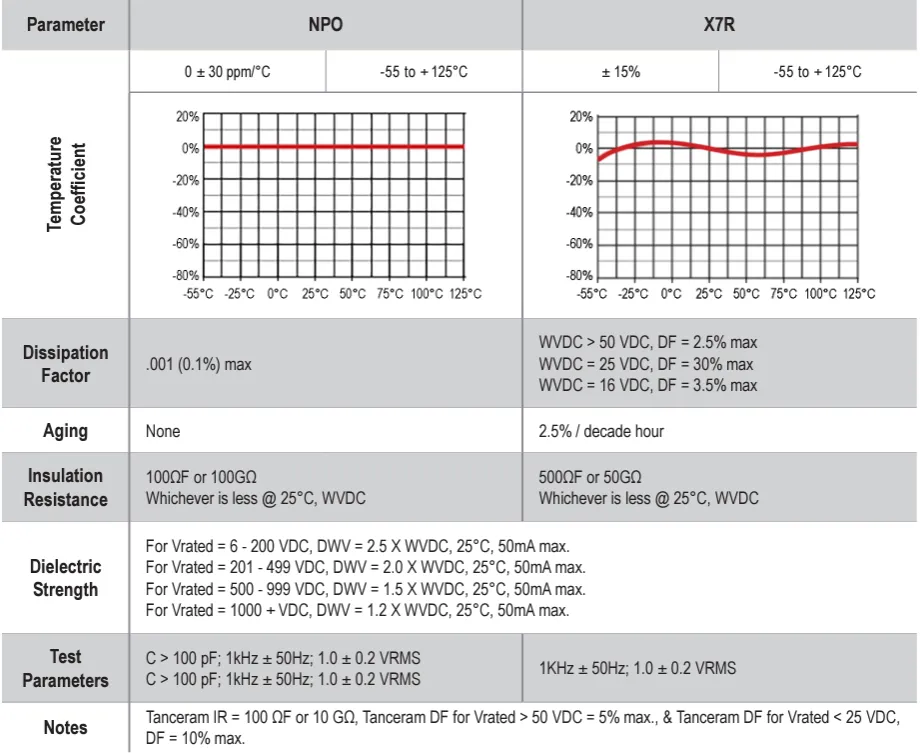
- Dielectrics Type: NPO, X7R
- Capacitance Range: 2.4 pF - 4700 pF
Polyterm® soft termination option for demanding environments & processes available on select parts, please contact the factory.
Valid options are shown except for Capacitance
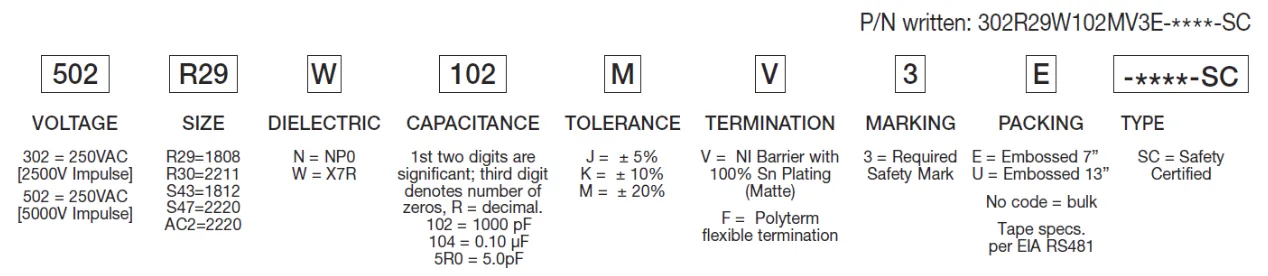
A typical PN is SCDP502W102J4GF001E. This part number breaks down as follows:
SCDP502W102J4GF001E Capacitors Safety Caps - X1/Y2, 1808, X7R, 5000V, 1000pF±5%, Polyterm Sn (RoHS), 7" Reel Embossed Tape
New Johanson Global Part Number Breakdown * Not all combinations create valid part numbers, ask our Apps Engineering Team for assistance creating a valid part number Request for assistance
Click below to see the new Global Part Number Reference Chart for this product
The legacy info below is for reference only.
Johanson has instituted a new Global Part Numbering (GPN) system.
Only the part number is changing. The parts are produced with the exact same materials, manufacturing processes, manufacturing controls, dimensions, physical attributes and testing as the parts supplied with the legacy part numbers.
The GPNs will be phased in over the next several years and are planned to be completed by January 1, 2026.
We will continue to quote and accept orders with the current (legacy) part numbers throughout this period.
Beginning January 1, 2022, all samples will be provided with the GPN.
Updates associated with this change will occur periodically.
A database for the approximate 2 million crosses can be accessed at: https://www.johansontechnology.com/pn-search
What are AC safety capacitors?
AC safety capacitors are specially designed capacitors used in AC power circuits where safety and regulatory compliance are critical. They help protect electronic equipment from voltage surges, lightning events, and electrical transients while meeting recognized safety standards.
What are AC safety capacitors used for?
AC safety capacitors are commonly used for line-to-ground protection in networked and connected electronic equipment, including computer networks, modems, and other systems exposed to power-line disturbances and surge events.
What is the difference between X capacitors and Y capacitors?
X capacitors are intended for applications where capacitor failure would not create a risk of electric shock. Y capacitors are designed for applications where capacitor failure could result in electric shock and therefore require stricter safety requirements.
What is an X1/Y2 safety capacitor?
An X1/Y2 safety capacitor is certified for both line-to-line (X) and line-to-ground (Y) applications and is designed to withstand high-voltage surge conditions while meeting applicable safety requirements. Johanson Dielectrics offers X1/Y2 safety capacitor solutions for demanding applications.
Why are UL and TUV certifications important for safety capacitors?
UL and TUV certifications help verify that safety capacitors have been tested to recognized safety standards and are suitable for use in applications where electrical safety and regulatory compliance are required.
How do safety capacitors help protect against lightning and surge events?
Safety capacitors are designed to withstand AC voltage surges and lightning-induced transients that can occur on power lines and communication interfaces, helping improve system reliability and protection.
Can AC safety capacitors be used for line-to-ground applications?
Yes. Johanson Dielectrics AC safety capacitors are specifically designed for line-to-ground interface applications where surge protection and electrical safety are critical.
What dielectric materials are available for Johanson safety capacitors?
Johanson Dielectrics AC safety capacitors are available with both NP0 and X7R dielectric materials, allowing designers to select the appropriate performance characteristics for their application.
What industries and applications commonly use AC safety capacitors?
Typical applications include:
- Computer networking equipment
- Communication systems
- Industrial electronics
- Connected electronic devices
- Equipment requiring line-to-ground protection
These applications often require compliance with international safety standards.
Are Johanson AC safety capacitors available in surface-mount packages?
Yes. Johanson safety capacitors feature surface-mount construction with barrier terminations and are supplied in tape-and-reel packaging to support automated assembly processes.
What package sizes are available for AC safety capacitors?
Johanson Dielectrics offers AC safety capacitors in multiple case sizes, giving designers flexibility when balancing electrical performance, board space, and surge requirements.
What are barrier terminations and why are they important?
Barrier terminations help improve reliability in surface-mount capacitor applications by enhancing mechanical integrity and supporting robust assembly performance in demanding environments.
Are soft termination safety capacitors available?
Yes. Selected Johanson safety capacitors are available with Polyterm® soft termination technology to improve resistance to mechanical stress and board flex-related failures.
How do I select the right safety capacitor for my design?
The correct safety capacitor depends on:
- Required safety classification (X or Y)
- Surge voltage requirements
- Operating voltage
- Capacitance value
- Regulatory requirements
- PCB space constraints
- Environmental conditions
or contact Johanson Applications Engineers at Ask a Technical Question
What is the difference between a standard MLCC and a safety capacitor?
Unlike standard MLCCs, safety capacitors are specifically designed, tested, and certified for use in safety-critical AC power applications where surge handling capability, insulation integrity, and regulatory compliance are required